Food shapes the way travelers experience new places. Italy is a clear example of a country where cuisine defines culture. Each region and city offers its own distinct culinary traditions, drawing travelers to popular destinations for authentic food, unique local cooking, and dining spots that reflect the area’s culture.
Italy’s culinary identity is not centralized. Instead, it changes dramatically from region to region, shaped by local geography, climate, and history. For example, coastal areas spotlight seafood, while northern regions focus on rich meats and cheeses. Because of this diversity, tourist destinations in Italy are often explored through their distinctive food traditions, with each city offering a distinct flavor profile rooted in its long-standing culinary history.
From handmade pasta in Emilia-Romagna to seafood along the southern coast, Italy’s food culture is grounded and seasonal. It is deeply connected to place. Recent reviews highlight the strong influence of food on travel decisions.
1. Rome As A Culinary And Historical Hub
Rome remains one of the most visited cities in Europe, and its food culture plays a major role in that popularity. Roman cuisine is recognized for its simplicity, often built around just a handful of carefully chosen ingredients that create rich and satisfying flavors.
Classic dishes such as carbonara, amatriciana, and cacio e pepe are widely available, but what stands out most is how consistently they are prepared in small neighborhood trattorias rather than in tourist-focused restaurants.
Food experiences in Rome often include exploring districts like Trastevere and Testaccio, where traditional eating habits are still preserved. Testaccio, in particular, is known for its working-class food history and market culture.
Key culinary highlights include:
- Traditional pasta dishes made with guanciale and pecorino cheese
- Roman-style pizza is served thin and crisp
- Supplì, a fried rice ball filled with mozzarella
- Local markets such as Mercato Testaccio for fresh ingredients and street food
Rome continues to be one of Italy’s most popular tourist destinations because it blends historical landmarks with everyday food culture that remains unchanged in many neighborhoods.
2. Naples And Its Global Pizza Legacy
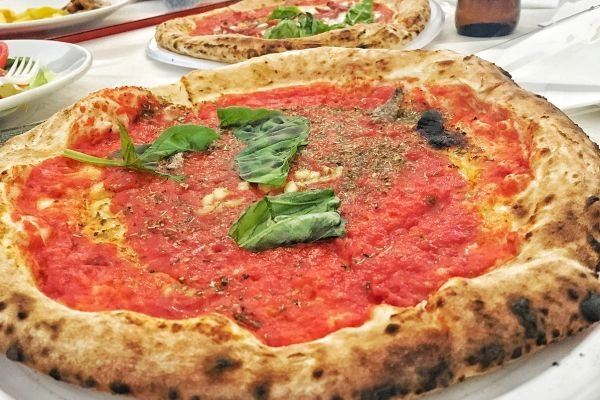
Naples is widely recognized as the birthplace of pizza, and its culinary identity remains one of the strongest in Italy. Neapolitan pizza follows strict traditional methods, including wood-fired ovens, slow-fermented dough, and simple toppings such as San Marzano tomatoes and buffalo mozzarella.
Naples offers a wide range of street food and baked goods. These reflect a vibrant urban culture. The city’s food culture moves at a lively pace, full of energy, while still staying deeply rooted in long-standing culinary traditions.
Popular experiences include:
- Authentic pizza spots like Da Michele and Sorbillo
- Fried street foods such as pizza fritta and arancini-style snacks
- Pastry culture featuring sfogliatella and babà
- Seafood dishes along the Bay of Naples
Naples also serves as a gateway to nearby culinary regions such as Campania, where ingredients like mozzarella di bufala and limoncello originate.
3. Bologna And The Heart Of Traditional Italian Cuisine
Bologna is often referred to as Italy’s food capital, thanks to its rich agricultural surroundings and strong culinary traditions. The region of Emilia-Romagna produces some of Italy’s most iconic food products, including Parmigiano Reggiano, balsamic vinegar from Modena, and prosciutto from Parma. These ingredients are deeply embedded in everyday cooking, shaping both traditional home recipes and the menus of local trattorias across the region.
The city is known for slow-cooked meat sauces and handmade pasta. Hearty dishes reflect its northern Italian roots.
Signature foods include:
- Tagliatelle al ragù is often misunderstood internationally as “spaghetti Bolognese”
- Tortellini served in broth
- Mortadella, a finely seasoned pork sausage
- Local cheeses and cured meats are found in traditional markets
Mercato delle Erbe and Mercato di Mezzo are popular stops for travelers exploring local flavors. Bologna also hosts culinary schools and food workshops that attract international visitors interested in traditional Italian cooking techniques.
4. Florence And Tuscan Culinary Heritage
Florence blends Renaissance art with regional cuisine, creating a travel experience where culture and food naturally come together in everyday life. Tuscan cooking uses few ingredients and simple methods, focusing on bringing out the natural flavor of each component. The region values high quality over complex preparation, which is why seasonal, locally sourced products are emphasized.
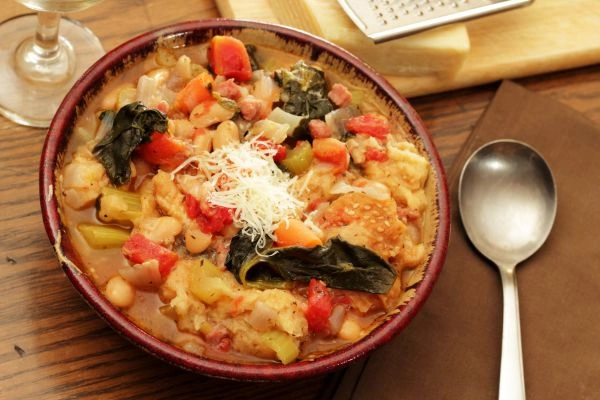
Tuscan cuisine highlights rustic character with bread, beans, olive oil, and local meat, reflecting the simplicity of traditional countryside cooking. Bistecca alla Fiorentina is a thick-cut steak, usually cooked over charcoal, and is often shared as part of a communal dining experience.
Other highlights include:
- Ribollita, a vegetable and bread soup
- Pappa al pomodoro, made with tomatoes and stale bread
- Tuscan olive oils are produced in the surrounding hills
- Wine culture from the Chianti and Montalcino regions
Florence features artisan food markets like Mercato Centrale. Visitors find traditional vendors and modern stalls. Gelato shops like Vivoli preserve Italian dessert tradition.
5. Milan And Contemporary Italian Dining
Milan offers a more modern interpretation of Italian cuisine that stands apart from the traditional dishes found in other regions. While Milan is home to classics like risotto alla Milanese, its cuisine integrates global trends, making it distinct among Italy’s regional food scenes.
Milan is known for its aperitivo culture. Here, drinks come with small bites before dinner. This tradition thrives in Navigli and Brera.
Food experiences include:
- Risotto alla Milanese flavored with saffron
- Cotoletta alla Milanese, a breaded veal cutlet
- Modern Italian tasting menus
- Historic cafés such as Caffè Cova and Marchesi 1824
Milan reflects how Italian cuisine continues to evolve while maintaining its cultural roots.
6. Sicily And Its Diverse Culinary Identity
Sicily offers one of Italy’s most diverse food cultures, shaped by its long history of cultural influence. Greek, Arab, Spanish, and Italian traditions all contribute to its culinary identity.
The island is known for bold flavors and citrus dishes. Seafood-focused cuisine is also central. Street food culture is very strong in Palermo and Catania.

Signature foods include:
- Arancini are filled rice balls
- Pasta alla Norma is a classic Sicilian dish made with eggplant and ricotta salata
- Cannoli filled with sweet ricotta cream
- Caponata, a sweet and sour eggplant dish
Markets like Ballarò in Palermo are central to Sicilian food culture. Fresh seafood, local pastries, and seasonal produce define the island’s cuisine.
7. Venice And Lagoon-Inspired Cuisine
Venice’s cuisine is shaped by its lagoon environment, which emphasizes seafood and small-plate dining. Cicchetti, the Venetian version of tapas, is a key part of local eating culture. The city’s cuisine is shaped by its seafaring heritage and long-standing trading connections across the Mediterranean. Influences come from inland Italy and the Mediterranean.
- Cicchetti bars serve small seafood and vegetable dishes
- Sarde in saor, sweet and sour marinated sardines
-
- Rialto Market for fresh fish and produce
Venice offers a slower dining style, often enjoyed in small wine bars called bacari
8. Tuscany Beyond Florence
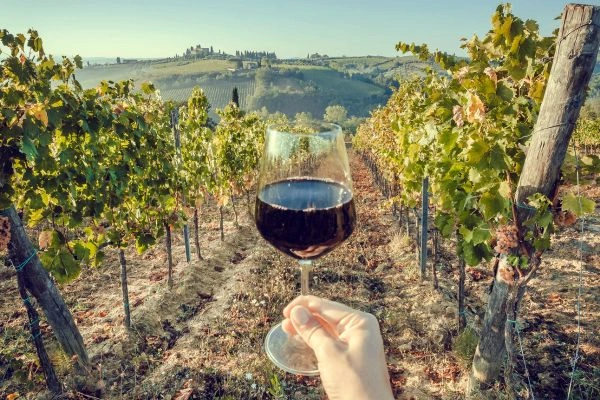
Outside Florence, Tuscany’s countryside connects travelers with traditional food production. The region is known for vineyards, olive groves, and farm dining. Agriturismos, or countryside farm stays, offer travelers the chance to enjoy home-style meals made with fresh, locally sourced ingredients grown on the property or nearby farms.
Popular activities include:
- Wine tasting in the Chianti Classico region
- Truffle hunting experiences in San Miniato
- Olive oil production tours
- Seasonal food festivals celebrating harvests
Tuscany remains one of Italy’s most peaceful and popular tourist destinations for those seeking slow travel and authentic cuisine.
Food Markets And Culinary Culture Across Italy
Food markets remain vital to daily Italian life. They offer fresh ingredients and protect traditions.
Notable markets include:
- Mercato Centrale in Florence
- Campo de’ Fiori in Rome
- Ballarò Market in Palermo
- Rialto Market in Venice
Well-known food brands also reflect Italian culinary influence globally:
- Barilla for pasta products
- Lavazza for coffee culture
- Ferrero for chocolate and desserts
- Parmigiano Reggiano Consortium for cheese production
These brands represent how deeply Italian food culture has influenced global cuisine.
Travel Tips For Food Exploration In Italy
Flexible and curious travelers get the most from food in Italy. Small, family-run places often offer the best experiences.
Helpful tips include:
- Follow local dining hours instead of international schedules.
- Explore regional specialties instead of generic menus.
- Visit food markets early in the morning.
- Try seasonal dishes whenever possible.
- Avoid restaurants with overly translated menus in tourist-heavy areas.
Understanding regional differences significantly improves the travel experience.
[wp_GAM_ADS_InPost5_shortcode]
Frequently Asked Questions
- What Are The Best Popular Tourist Destinations In Italy For Food Lovers?
Rome, Naples, Bologna, Florence, Milan, Sicily, Venice, and Tuscany are top destinations for their rich regional cuisines.
- Why Is Italy Famous For Food Tourism?
Italy is known for regional diversity, fresh ingredients, traditional cooking methods, and a strong cultural connection between food and daily life.
- What Food Is Italy Most Famous For?
Popular dishes include pizza, pasta alla carbonara, risotto, arancini, gelato, and regional specialties such as bistecca alla Fiorentina.
- Is Italy Good For Budget Food Travel?
Yes. Street food, markets, and small trattorias offer affordable and authentic dining options for travelers.
- What Is The Best Time To Visit Italy For Food Experiences?
Spring and autumn are ideal for visiting due to fresh seasonal produce, local food festivals, and pleasant travel weather.
Why Italy Remains A Leader In Culinary Travel
Italy continues to attract travelers because its food culture remains authentic, regional, and deeply tied to tradition. Every city offers something different, and each meal reflects local identity shaped over generations.
For travelers exploring Italy’s tourist destinations, food remains one of the most meaningful ways to understand the country, making culinary travel a central part of the Italian experience. Beyond the well-known dishes, everyday meals in small towns and local eateries often leave the strongest impression. This consistent connection between food, place, and tradition is what keeps Italy at the forefront of global culinary travel.