Traveling with pets on long-haul flights goes beyond booking a ticket and just showing up at the airport. Comfort, safety, and preparation all play a role in making the journey smooth for both pets and owners. With the growing number of airlines refining their pet policies and travelers sharing real experiences online, planning has become more structured and more important than ever. Understanding pet travel essentials for long flights helps avoid stress, delays, and unnecessary complications while ensuring pets stay calm throughout the journey.
Modern travel conditions have also improved, with more airlines offering pet-friendly services, clearer rules, and better in-cabin accommodations. Still, success depends heavily on preparation, the right gear, and knowing what actually works in real situations. This guide breaks everything down clearly and practically, focusing on comfort, safety, and reliability.
Why Pet Travel Preparation Matters For Long Flights
Long flights can feel overwhelming for pets because of noise, pressure changes, and unfamiliar surroundings. Even calm animals at home may react differently in an airport or aircraft cabin. Proper preparation reduces anxiety and helps prevent health issues such as dehydration or motion sickness.
Another key factor is emotional stability. Pets can sense human stress, which may also raise their own anxiety levels. A structured routine before the flight, combined with familiar items, helps create a sense of security that lasts throughout the journey.
Airline Rules And Cabin Requirements For Pet Travel
Airline policies vary widely, and understanding them is one of the most important steps in planning. Most airlines allow small pets in the cabin as long as they remain inside an approved carrier that fits under the seat in front. Larger pets may need to travel in the cargo hold, which comes with its own guidelines and temperature controls.
Airlines like Emirates and Qatar Airways are recognized for their structured pet travel systems, including specialized handling for pets transported as cargo. Many regional airlines also allow pets in the cabin, though weight limits and breed restrictions are often in place.
- Maximum carrier dimensions for cabin travel
- Weight limits for the pet plus the carrier combined
- Health certificates issued by licensed veterinarians
- Vaccination records, especially for rabies
- Advance booking approval for pet slots
Learning these rules early helps prevent last-minute issues and ensures compliance with airline requirements.
Choosing The Right Pet Carrier For Comfort And Safety
A pet carrier is one of the most important travel essentials for long flights, as it directly impacts comfort and mobility throughout the journey. A good carrier should offer ventilation, stability, and enough space for the pet to turn around comfortably.
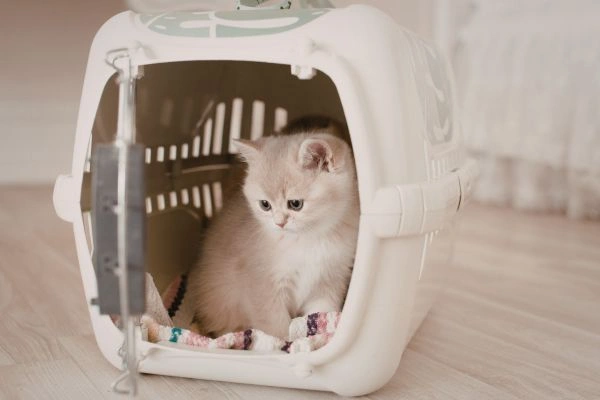
Popular and reliable options include:
- Sherpa Original Deluxe Carrier, widely accepted by airlines for cabin use
- Sleepypod Air, recognized for its crash-tested safety and durable construction
- Petmate Sky Kennel, often used for cargo travel due to its strength
- Amazon Basics Soft-Sided Pet Carrier, a budget-friendly cabin option
Each carrier type serves different needs. Soft-sided carriers like Sherpa models are ideal for cabin travel because they can compress slightly under seats. Hard-sided carriers like Sleepypod or Petmate are better for pets traveling in cargo, offering more protection during handling.
Comfort Items That Help Reduce Travel Stress
Comfort plays a major role in keeping pets calm during long flights. Familiar scents and soft textures can make a big difference in reducing anxiety levels. Many pet owners include a small blanket or a favorite toy inside the carrier to create a sense of familiarity.
Calming products are also commonly used. Brands like Adaptil offer pheromone sprays and diffusers designed to reduce stress in dogs. These products are often sprayed lightly on bedding before travel to help create a soothing environment.
Additional comfort items include:
- Soft fleece blankets for warmth and comfort
- Chew toys like KONG products to keep pets occupied
- Absorbent pads for hygiene inside the carrier
- Light covers to reduce visual stimulation during flight
Together, these items help create a stable environment inside the carrier, making long hours in transit more manageable.
Food, Water, And Hydration Strategy During Flights
Most travelers follow a light feeding schedule a few hours before departure. This helps reduce the risk of nausea while still ensuring energy levels remain stable. Water, on the other hand, should always be available, but in controlled amounts to avoid spills.
Using spill-proof water bowls or attached water dispensers is a helpful addition. Some carriers come with built-in hydration systems, which are especially helpful for extended travel times.
Recommended hydration tips include:
- Offer small amounts of water before check-in
- Use a clip-on water dispenser inside the carrier
- Avoid heavy meals within 4–6 hours of departure
- Carry portable travel bowls for layovers
This approach helps maintain comfort while preventing unnecessary mess or stress during the flight.
Safety Gear And Identification For Secure Travel
Safety gear ensures that pets remain secure at all times, especially in busy airport environments. Harnesses, leashes, and identification tags are essential even when pets are inside carriers.
A well-fitted harness, such as those from Ruffwear, provides better control during airport movement. It reduces the risk of escape and makes handling easier during security checks or boarding procedures.
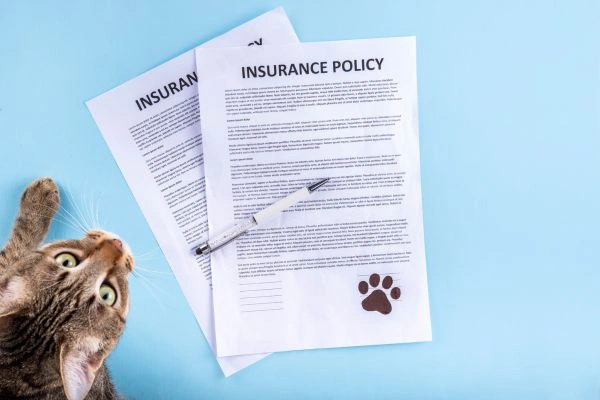
Identification is equally important. Pets should have:
- Updated ID tags with owner contact information
- Microchip registration linked to current details
- Travel documents stored in an accessible folder
Some travelers also attach a temporary travel tag with flight details and destination contact numbers. This adds another layer of security in case of separation.
Health Preparation And Veterinary Checks Before Flying
A veterinary check-up is often required before air travel, especially for international flights. This helps ensure that pets are fit to fly and comply with airline and destination regulations. Health certificates are typically issued within a specific time frame before departure.
Veterinarians may also recommend mild calming solutions depending on the pet’s temperament. However, strong sedatives are often discouraged due to changes in cabin pressure and reduced mobility during flight.
Common health preparations include:
- Updated vaccinations, especially rabies
- Flea and tick prevention treatments
- General health clearance certificate
- Advice on travel anxiety management
A well-prepared health plan ensures compliance with airline rules and reduces the risk of complications during travel.
Complete Packing Checklist For Pet Travel Essentials
Having a structured packing list helps avoid last-minute stress. The right pet travel essentials for long flights ensure that your furry friends remain comfortable, safe, and clean throughout the journey.
Essential items include:
- Airline-approved pet carrier (Sherpa or Sleepypod)
- Lightweight leash and harness (Ruffwear recommended)
- Absorbent potty pads
- Collapsible food and water bowls
- Small supply of pet food for layovers
- Comfort blanket or bedding
- Cleaning wipes for accidents
- Health documents and vaccination records
- Calming sprays or toys
Organizing these items in a separate travel bag ensures easy access during security checks and boarding. It also helps streamline movement through airports.
Tips For A Stress-Free Airport Experience With Pets
Airports can be loud and crowded, which may overwhelm pets. Arriving early helps reduce stress and allows enough time for check-in procedures without rushing.
Keeping pets inside their carrier during most of the airport process is usually recommended. This prevents overstimulation and keeps them safe in crowded areas. Short, calm breaks outside the carrier may be allowed in designated pet relief zones, depending on the airport.
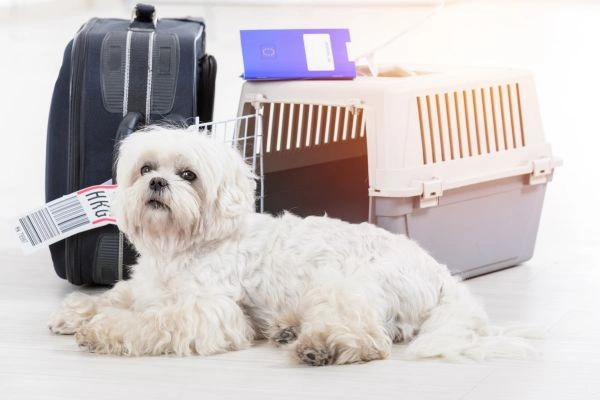
Helpful strategies include:
- Arriving earlier than the standard check-in time
- Keeping noise exposure low where possible
- Using calming voice tones during movement
- Avoiding unnecessary carrier opening in busy areas
These small adjustments can significantly improve the overall travel experience for both pets and owners.
Common Mistakes To Avoid When Traveling With Pets
Even well-prepared trips can run into issues if common mistakes are overlooked. One of the biggest errors is choosing the wrong carrier size, which can lead to airline rejection at check-in.
Another common issue is last-minute document preparation. Health certificates and vaccination records often require time-sensitive issuance, so delays can disrupt travel plans.
Other mistakes include:
- Feeding pets too close to departure
- Ignoring airline-specific pet policies
- Skipping acclimation time for carriers before travel
- Using untested calming products on the travel day
Frequently Asked Questions
- What Are The Most Important Pet Travel Essentials For Long Flights?
The essentials include an airline-approved carrier, proper identification, health documents, absorbent pads, and hydration tools. Comfort items like blankets and toys also help reduce stress.
- How Can Pets Stay Comfortable During Long Air Travel?
Comfort can be improved by using familiar bedding, calming sprays, and chew toys. Keeping pets in a stable, well-ventilated carrier also helps reduce anxiety.
- What Type Of Carrier Is Best For Air Travel?
Soft-sided carriers like Sherpa are often preferred for cabin travel, while hard-sided options like Sleepypod or Petmate are better for cargo due to added protection.
- Can Pets Eat Before A Long Flight?
Pets can eat a light meal a few hours before departure. Heavy meals should be avoided to reduce the risk of nausea or discomfort during the flight.
- Do Airlines Require Health Certificates For Pet Travel?
Yes, most airlines require a veterinary-issued health certificate and up-to-date vaccination records, especially for international flights.
Ensuring Safe And Comfortable Pet Travel On Long Flights
Long-distance pet travel requires planning, patience, and the right equipment. From airline rules to comfort strategies, every detail plays a role in ensuring a safe journey. Choosing reliable gear, maintaining proper hydration, and preparing health documentation all contribute to a smoother experience.
Taking the right approach to pet travel essentials for long flights makes traveling with pets far more manageable and less stressful. Careful preparation turns a potentially difficult journey into a safe and comfortable experience for both pets and their owners.